
A Filmmaker’s Guide
to Shooting in France
Our company works with local professionals to make sure you
are getting the right help throughout media production.
Permits in France: What You Need to Know
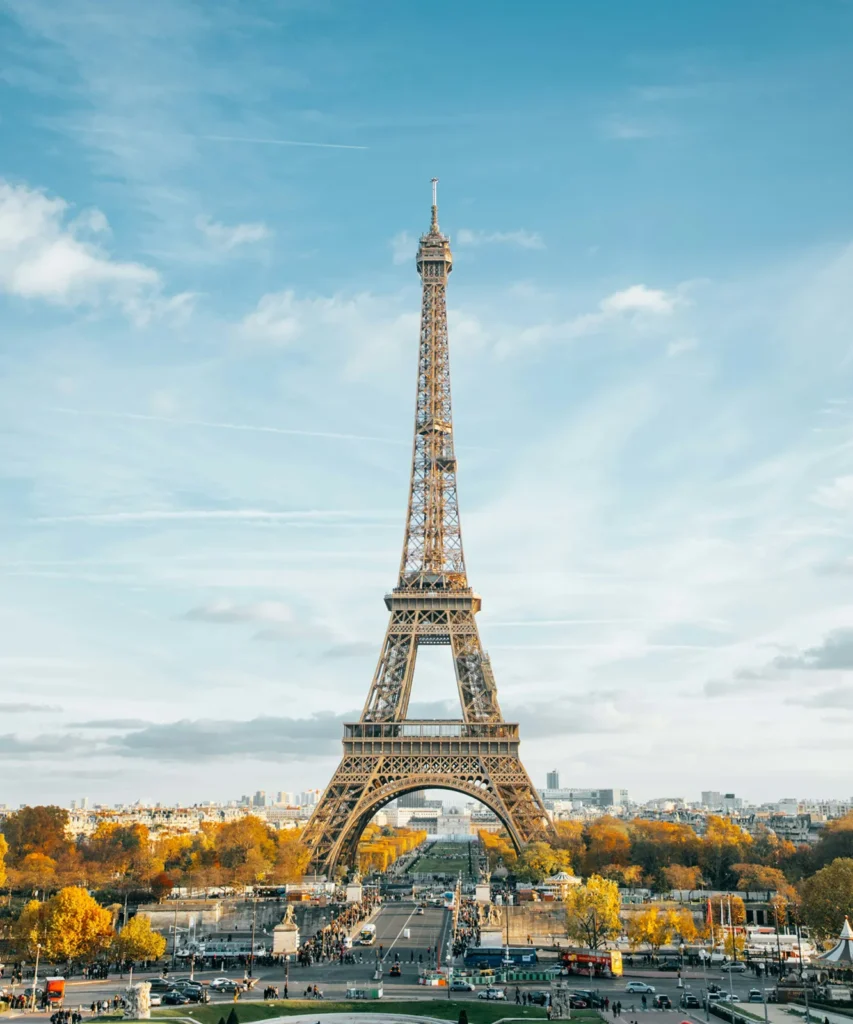
It is more than likely you will need a permit to film anywhere in France. The only time that it might not be necessary is with a small crew of less than 10 people, with no tripods or anything else blocking the streets or disrupting normal life in any way.
Other than that, you will need to apply to the city municipality or commune in charge of issuing filming permits.
In many cases, you’ll also need consent from the Police Prefecture, and if your plans include filming at a monument or heritage site, or even just having them in the finished frame, you’ll need clearance directly from the owner or building director.
While many permits giving you the go-ahead to film on a public street are free of charge, those that include historic or well-known places will have a fee attached. Plus, the Eiffel Tower’s famed nightly lightshow is copyrighted, so you’ll need special permission to capture La Dame de Fer at this time.
The applications themselves are quite comprehensive. In most cases, you’ll have to submit:
- Full project details
- Synopsis with short scene description
- List of crew members and ID copies
- Equipment list, including any vehicles that’ll be used
- Insurance certificate
- A provisional budget
You’ll also need to factor in at least three months for all permits to be processed, particularly those involving famous sites.
Timing Your France Film Production around the Weather
The weather in France is as diverse as its food! We have the snowy Alps, the sun-soaked Mediterranean, with its year-round sunshine spots on the French Riviera, and the often damp and dramatic Atlantic coast.
That said, unless you’re shooting in these specific spots, you will generally experience similar seasons throughout the country. Here’s a brief overview of what to expect at these different times:
- Summer (June–Sept): Hot and dry in the Mediterranean south as noted, but still warm across all other areas too. In mountaineous regions in particular, you may come up against occasional, though brief, intense thunderstorms, so prepare crew and equipment for such occasions.
- Spring (March–May): Easily the most pleasant months with mild temperatures, daily sunshine, and some light rains.
- Autumn (Oct–Dec): Autumn can be beautiful no matter where you are in France, with the turning colours of the foliage and stark sunlight. The weather tends to be on the damp side, particularly in the northern and Atlantic coast areas.
Winter (Jan–Feb): As with other continental countries, winters are cold and often snowy, even in Paris. In the mountains, temperatures drop significantly, but the ice-capped vistas are striking.
Planning Filming Equipment Rental & Local Crew Logistics
You’ll have no issue finding the equipment you need for your video project here in France. Paris in particular boasts some fantastic film equipment rental companies that will make sure you have only the best, most up-to-date gear for your shoot.
With that in mind, it’s probably cheaper to hire your film kits rather than bring them with you. If you work with us, we’ll ensure you get the right equipment at the right price.
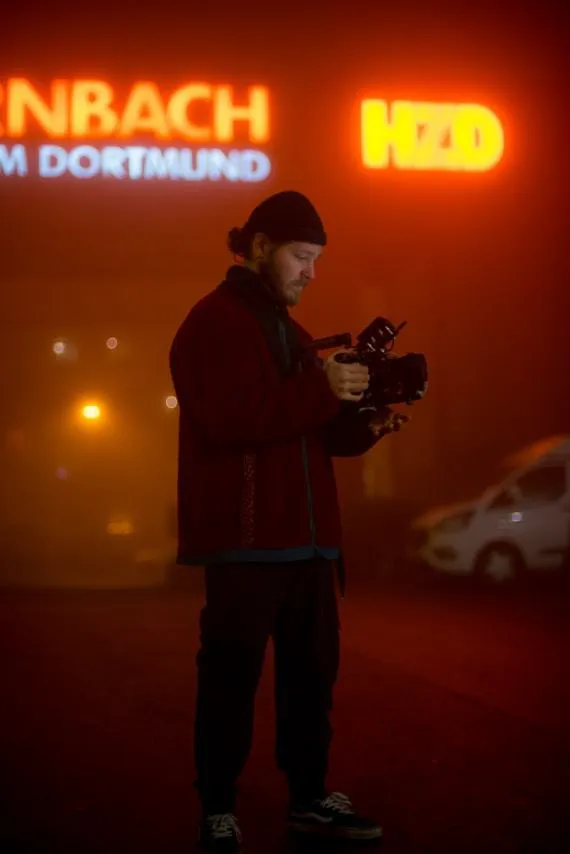
As with the top-notch equipment, you can be sure of hiring extremely skilled, English-speaking crews from the large pool of exceptional French film professionals.
Frequently Asked Questions
Is it an ATA carnet country?
Yes, it is.
Is it safe for me and my team to film there?
Yes. The country also operates under the Vigipirate national security plan. This means that if security alerts are high, extra safety and security measures will be applied to transport networks, large public gatherings and other noted areas and buildings.
Do I need a visa or a work visa to film there?
Yes. The country also operates under the Vigipirate national security plan. This means that if security alerts are high, extra safety and security measures will be applied to transport networks, large public gatherings and other noted areas and buildings.
Do I need a local company to film or get visas there?
No.
Do I need a permit for drones?
Under the EU and EASA directives, you will need a permit and operator registration to use a drone during filming. It is possible for a foreign operator to be approved, but the process can be complex, and it is usually easier for production companies to hite a local a local one with the right EU/national license and his own drone.
Is there a cash rebate/tax exemption or any other fiscal advantage?
The Tax Rebate for International Productions, also simply known as the TRIP, offers a generous 30-40% rebate on all films, movies, animations and other types of videos shot and produced in France. There is certain criteria that must be met, and funding is capped at €30 million per filming project.
Can I shoot in a national park and, if so, under what circumstances?
This is possible only if you receive the required office in charge of Parcs et Espaces verts in the specific city or town you’re filming in.
Working with France Fixer
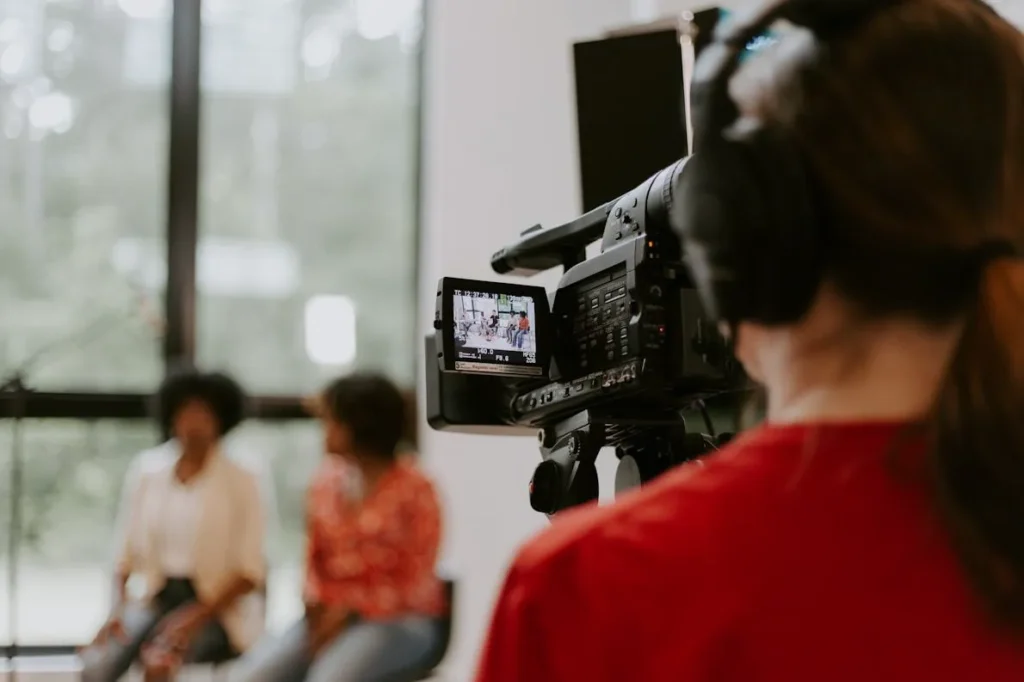
Work with us as your partner in France and follow in the steps of many of the top brands on our roster. We’ve provided production support services for a wide range of clientele, including Tissot, Adidas, the United Nations, UNESCO, Unity LevelPlay, and Phoenix TV China. We’re here to help you deliver incredible visual stories that set your brand or company apart.